Iterator(迭代器)
迭代器模式
iterator是一种“设计模式”,和“观察者模式”、“访问者模式”同属于“面向任务的模式”,用于“执行及描述任务”。其目的是”提供一种方法访问一个容器对象中各个元素,而又不暴露该对象的内部细节。”
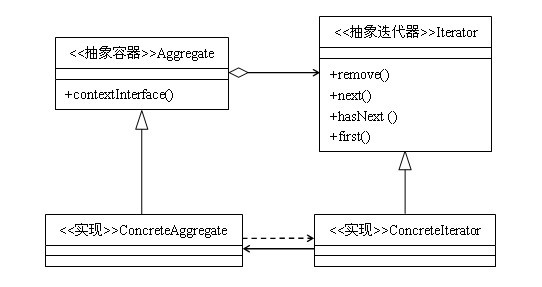
从上面的类关系图可得:
- 容器类应该提供一个方法,可以得到其迭代器,在python中是Iterable.__iter__()
- 然而,迭代器也应该提供一个方法,可以让“client程序”访问到容器类中的元素,在python中是Iterator.__next__()
- 一般来说,我们只要实现一个集合,就需要同时提供这个集合的迭代器
Why using iterator
从上一小节可以看出,iterator其实和定义一个类方法以实现一个功能是相同的,为啥不定义一个类方法(函数)算了呢?
- 设计模式中,惯用的伎俩就是把操作外化为类
- 语言提供统一的调用接口,iter(), next()
python3的源码分析
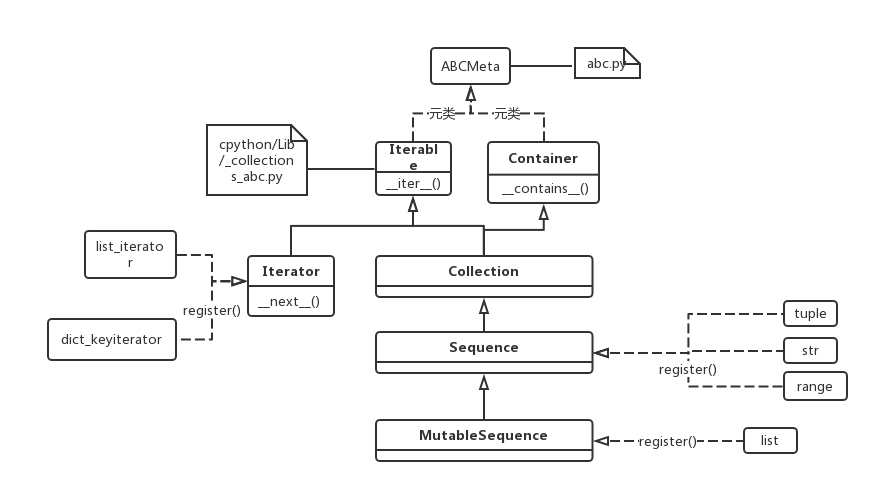
- python3用class Iterable和class Iterator两个抽象基类(ABC,abstract base class)定义了在其继承体系中的iterable类必须要实现的接口函数__iter__()以及iterator类必须要实现的__next__(),也就是所谓的“迭代协议”
1 2 3 4 5 6 7 8 9 10 11 12 13 14 15 16 17 18 19 20 21 22 23 24 25 26 27 28 29 30 31 32 33 | class Iterable(metaclass=ABCMeta):
__slots__ = ()
@abstractmethod
def __iter__(self):
while False:
yield None
@classmethod
def __subclasshook__(cls, C):
if cls is Iterable:
return _check_methods(C, "__iter__")
return NotImplemented
class Iterator(Iterable):
__slots__ = ()
@abstractmethod
def __next__(self):
'Return the next item from the iterator. When exhausted, raise StopIteration'
raise StopIteration
def __iter__(self):
return self
@classmethod
def __subclasshook__(cls, C):
if cls is Iterator:
return _check_methods(C, '__iter__', '__next__')
return NotImplemented
|
- python3对于built-in iterable type 都有corresponding iterator, e.g. list and list_iterator
Built-in functions using iterable
python很多内建的函数的参数都是iterable,例如
- sum(iterable[, start])
- max(iterable, *iterables[,key, default])
- for element in iterable
- iter(iterable), return an iterator
Built-in iterable containers
Most of built-in containers in Python like: list, tuple, string etc. are iterables.
1 2 3 4 5 6 7 8 9 10 11 12 13 14 15 16 17 18 19 20 | >>> x = [42,23,24]
#从可迭代(iterable)对象中获取iterator
#iter() in turn calls the __iter__() method
>>> it = iter(x)
>>> type(it)
<class 'list_iterator'>
>>> type(x)
<class 'list'>
#We use the next(), which in turn calls the __iter__() method, to manually iterate through all the items of an iterator.
#When we reach the end and there is no more data to be returned, it will raise StopIteration.
>>> next(it)
42
#next(obj) is same as obj.__next__()
>>> it.__next__()
23
#built-in iterable container不能被next()直接调用
>>> next(x)
Traceback (most recent call last):
File "<stdin>", line 1, in <module>
TypeError: 'list' object is not an iterator
|
Building Your Own Iterator
custom class: the OO way
1 2 3 4 5 6 7 8 9 10 11 12 13 14 15 16 17 18 19 20 21 22 | class PowTwo:
"""PowTwo首先是一个容器(iterable),然后才是iterator,
只不过,容器内的数据是在调用next()时生成的,这有点像Generator"""
"""Class to implement an iterator
of powers of two"""
def __init__(self, max = 0):
self.max = max
def __iter__(self):
self.n = 0
return self
def __next__(self):
#自定义class一定要有这条件语句,用来终止next()
if self.n <= self.max:
result = 2 ** self.n
self.n += 1
return result
else:
#表示next()要终止
raise StopIteration
|
- class定义了__iter__()表示其instance是iterable
- 定义了__next__()表示其instance是iterator
- 客户端代码如下
1 2 3 4 5 6 7 8 9 10 11 12 13 14 15 16 | >>> a = PowTwo(4)
>>> i = iter(a)
>>> next(i)
1
>>> next(i)
2
>>> next(i)
4
>>> next(i)
8
>>> next(i)
16
>>> next(i)
Traceback (most recent call last):
...
StopIteration
|
或者
1 2 3 4 5 6 7 8 9 | >>> for i in PowTwo(5):
... print(i)
...
1
2
4
8
16
32
|
Generator functions
Generator expressions
How “for loop” actually works
下面的代码中最重要的几点就是
- iterable才能用到for语句中去
- element = next(iter_obj)
1 2 3 | for element in iterable:
# do something with element
pass
|
Is actually implemented as
1 2 3 4 5 6 7 8 9 10 11 12 13 | # create an iterator object from that iterable
iter_obj = iter(iterable)
# infinite loop
while True:
#必须要使用try
try:
# get the next item
element = next(iter_obj)
# do something with element
pass
except StopIteration:
# if StopIteration is raised, break from loop
break
|
与索引相结合的迭代
在迭代Iterable object时,如果想知道当前元素在列表中的索引,有如下两种思路:
常规想法
1 2 | for i in range(len(iterable)):
print('%d: %s' % (i, iterable[i]))
|
1 2 3 4 | i = 0
for element in iterable:
print('%d: %s' % (i, iterable[i]))
i = i+1
|
Pythonic Way
(from 《effective python》10th)就需要对“for loop”进行改进。如上一小节所述,”for element in iterable”语句中,element=next(iter(iterbale)),可否让next(),即iterable.__next__(),把索引也返回呢?借助 enumerate(iterable, start=0)
- enumerate() Return an enumerate object which is an iterable object also an iterator. 所以,有两种用法:
1 2 | for index, element in enumerate(iterable):
pass
|
1 2 3 4 5 6 | while True:
try:
item, element = next(enumerate(iterable))
pass
Exception:
break
|
- 可以用一个generator function来模拟enumerate()的行为
1 2 3 4 5 | def enumerate(sequence, start=0):
n = start
for elem in sequence:
yield n, elem
n += 1
|
平行迭代多个Iterable
平行迭代多个Iterable的意思就是“一次迭代就可以得到每个iterable中相同位置的元素”。
常规想法
- 用“索引/下标”来平行迭代多份列表。
- 把多个Iterable汇成一个”iterable list”,即二维iterable,但是python并未原生提供二维iterable的按列的切片操作,并且多维list会增加复杂性。
Pythonic way
指导思想就是 Returns an iterator of tuples, where the i-th tuple contains the i-th element from each of the argument sequences or iterables.
- 如果需要自己来实现这个功能,可以使用“辅助函数”(from <effective python> 4th)
下面这段代码来自于 官方文档,
1 2 3 4 5 6 7 8 9 10 11 12 13 14 15 16 | def zip(*iterables):
# 这个函数要达到的效果:zip('ABCD', 'xy') --> Ax By
sentinel = object()
#这是最关键的一步:由“列表推导式”生成一个“list of iterators"
iterators = [iter(it) for it in iterables]
while iterators:
result = []
#遍历list of iterators
for it in iterators:
#得到和iterator对应的iterable对象中的元素
elem = next(it, sentinel)
#The iterator stops when the shortest input iterable is exhausted.
if elem is sentinel:
return
result.append(elem)
yield tuple(result)
|
- python3 built-in function
1 | zip(*iterables)
|
使用zip()需要注意如下几点:
- zip()返回的是一个”zip object”,是一个Iterable对象,见python3的源代码
1 2 3 | #Lib/_collections_abc.py
zip_iterator = type(iter(zip()))
Iterator.register(zip_iterator)
|
- zip object即可用于”for loop”,又可用于”next()”
- 传入zip()的iterable list的iterable对象最好是等长。
一个iterator可以使用的次数
无论时generator,还是内建iterable的iterator,都只能产生一轮结果。但是对于iterable就不会有这个限制,例如,一个list可以用于多次for loop。——这是因为“内建迭代器协议”对于__iter__()的约定,”effective python”p40
不仅for loop会遍历iterator,还有很多以iterable为参数的内建函数,都会遍历iterator,例如sum()。
1 2 3 4 5 6 7 | ll = [1,2,3]
it1 = iter(ll)
for item in it1:
print(item)
#这个for不会有任何输出,但是也不会抛出异常StopIteration
for item in it1:
print(item)
|
区别iterable&iterator
“effective python”p41要点4